Industries / Textile & Apparel
In Apparel, Logistics Means Keeping the Flow Unbroken
During seasonal changes and campaign periods, “a few days” often makes a major difference. That is why the transportation process must be predictable, trackable, and aligned with the rhythm.
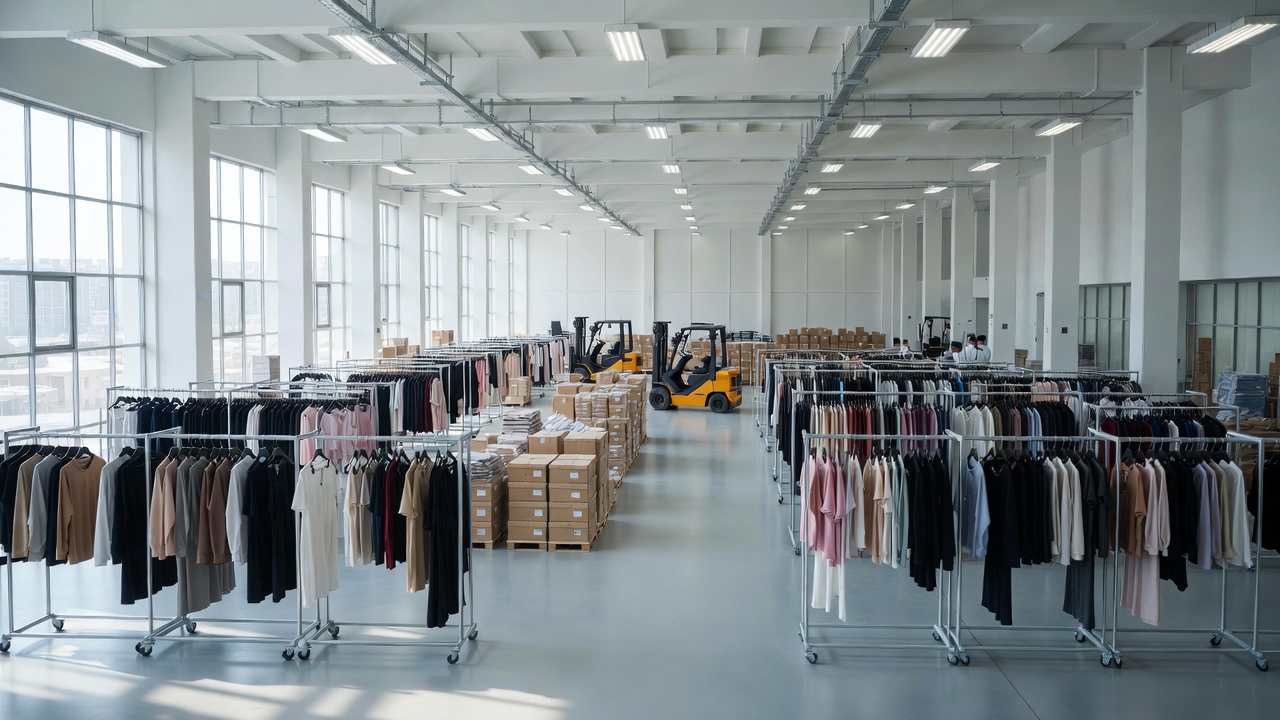
Hanging garments, boxed goods, accessories, or textile materials… Each product group requires a different transportation and delivery setup. On this page, we gathered the most common flow types and operational expectations in textile and apparel under clear headings.
In these operations, the real priority is that delivery moves forward on time and in a planned way.
GOH (Optional)
Transportation that protects garment form for hanging items.
Time Window
A clear schedule during seasonal and campaign periods.
Multi-Channel Flow
Store and e-commerce deliveries work together.
Store Delivery
Alignment with mall rules and scheduled receiving procedures.
Box Order
Reduces mix-ups in footwear and accessory products.
Return Flow
Structured collection and redirection processes.
Fashion & Lifestyle Flow Types
Transportation expectations are not the same for apparel, footwear, accessories, and textile materials. As the product type changes, loading patterns, delivery formats, and operational structures change as well. In this section, we summarize the most common flow types encountered in the field on the retail side.
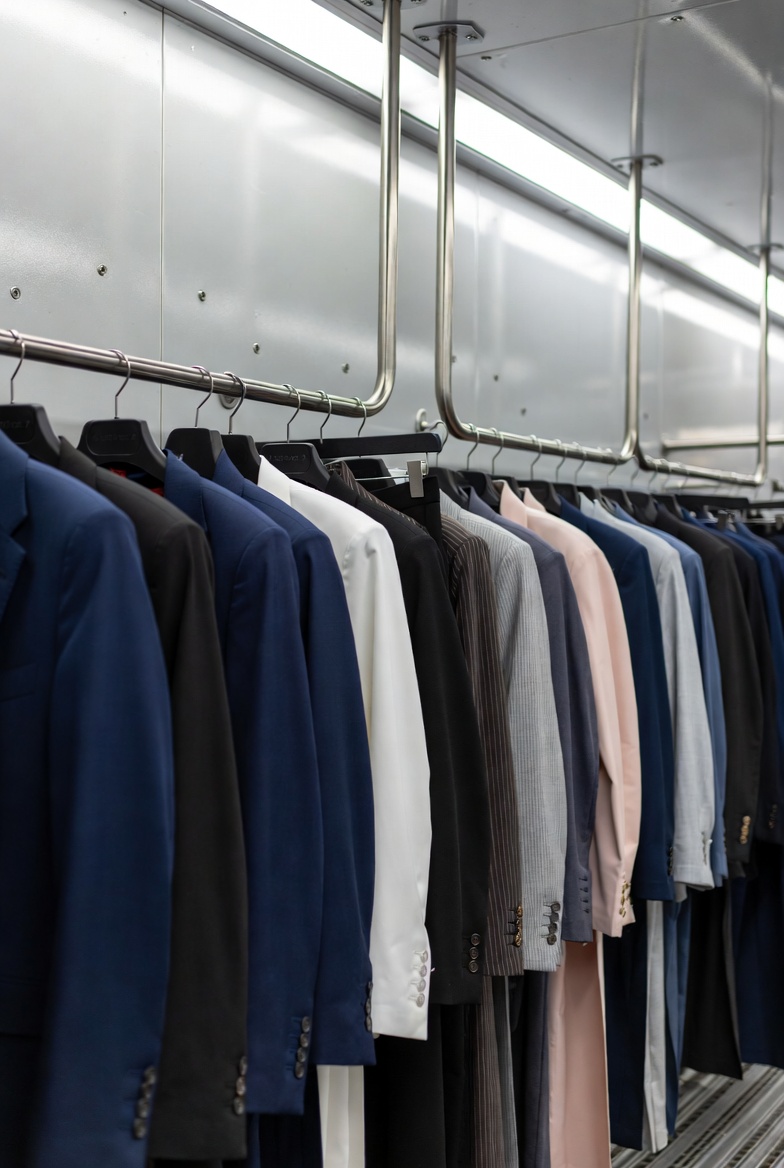
Garment on Hanger (GOH)
Garment on hanger transportation (GOH) is preferred for shipments where preserving product form is important. For items such as suits, coats, and dresses, it shortens store preparation time.
This transport format is not standard for every shipment. It is applied when needed depending on the product type, store receiving process, and delivery plan.
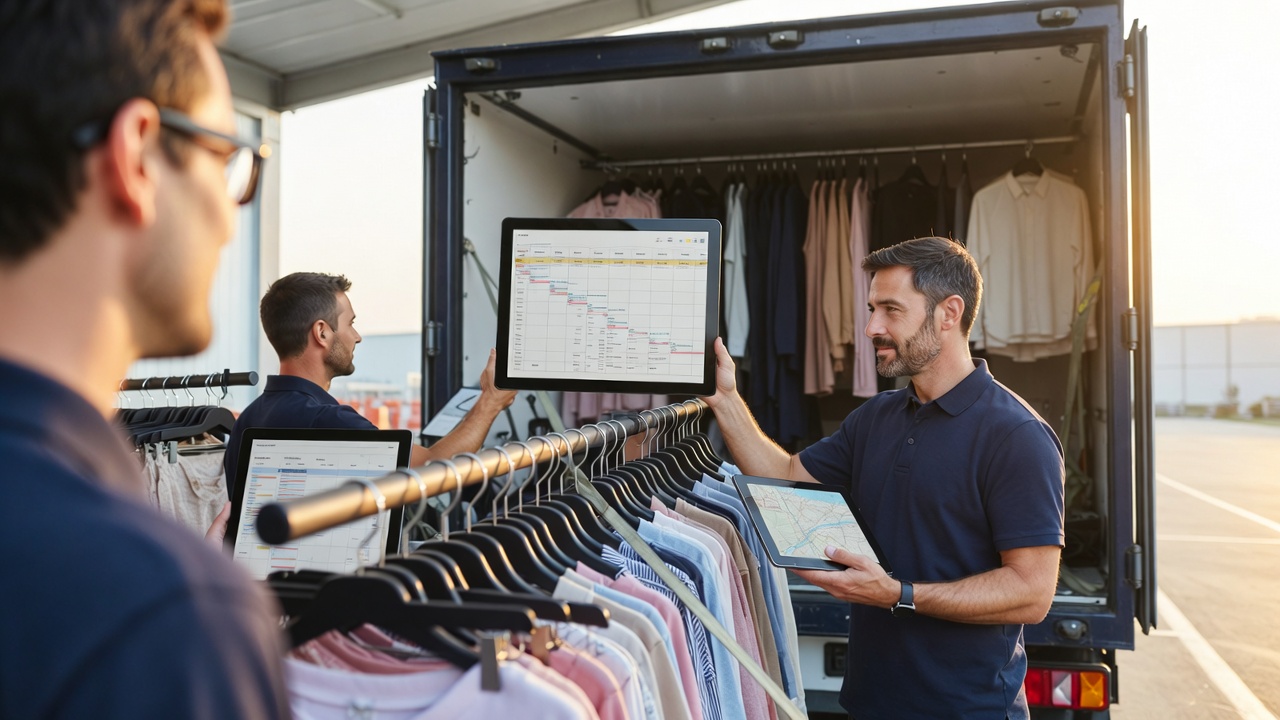
Seasonal Changes and Delivery Windows
During seasonal transitions and campaign periods, delivery planning works not by day, but by time window. Store acceptance hours, scheduled unloading, and peak periods directly affect how the shipment should progress.
In these flows, the expectation is a delivery structure that moves forward without surprises.
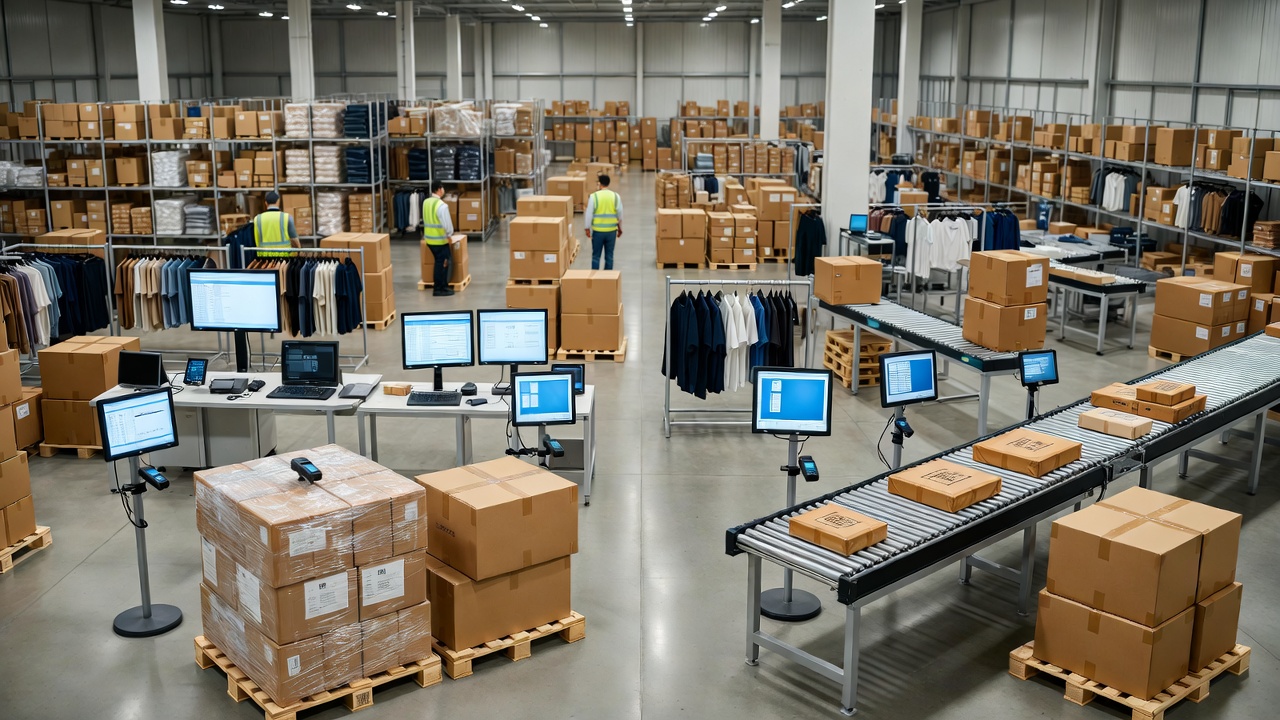
Omnichannel Distribution Flow
The same product may be shipped to a store and also go out for individual delivery on the same day. This requires shipments to move not separately, but within a single integrated plan.
Store distribution and e-commerce flow are different; transportation and control discipline are the same.
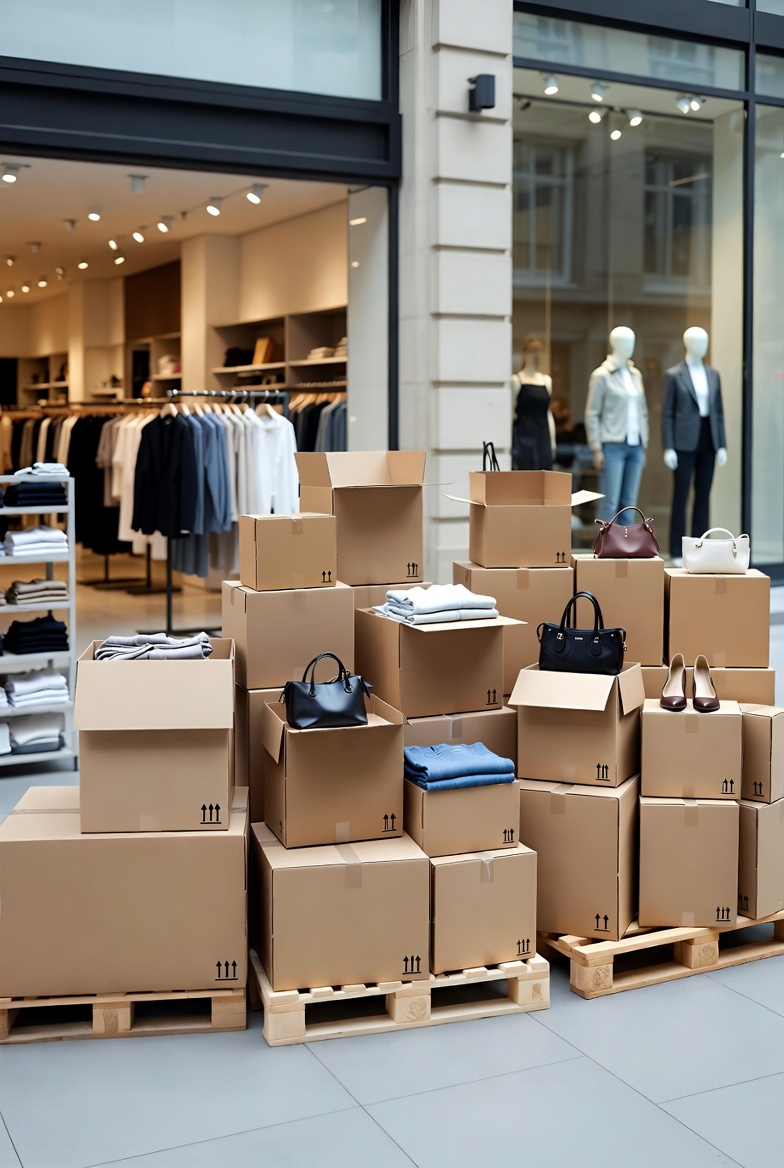
Store Delivery Rhythm
In store deliveries, timing and receiving procedures are decisive. Mall schedules and scheduled unloading practices directly affect how the shipment progresses.
For this reason, deliveries are planned in a way that matches receiving procedures without disrupting store operations.
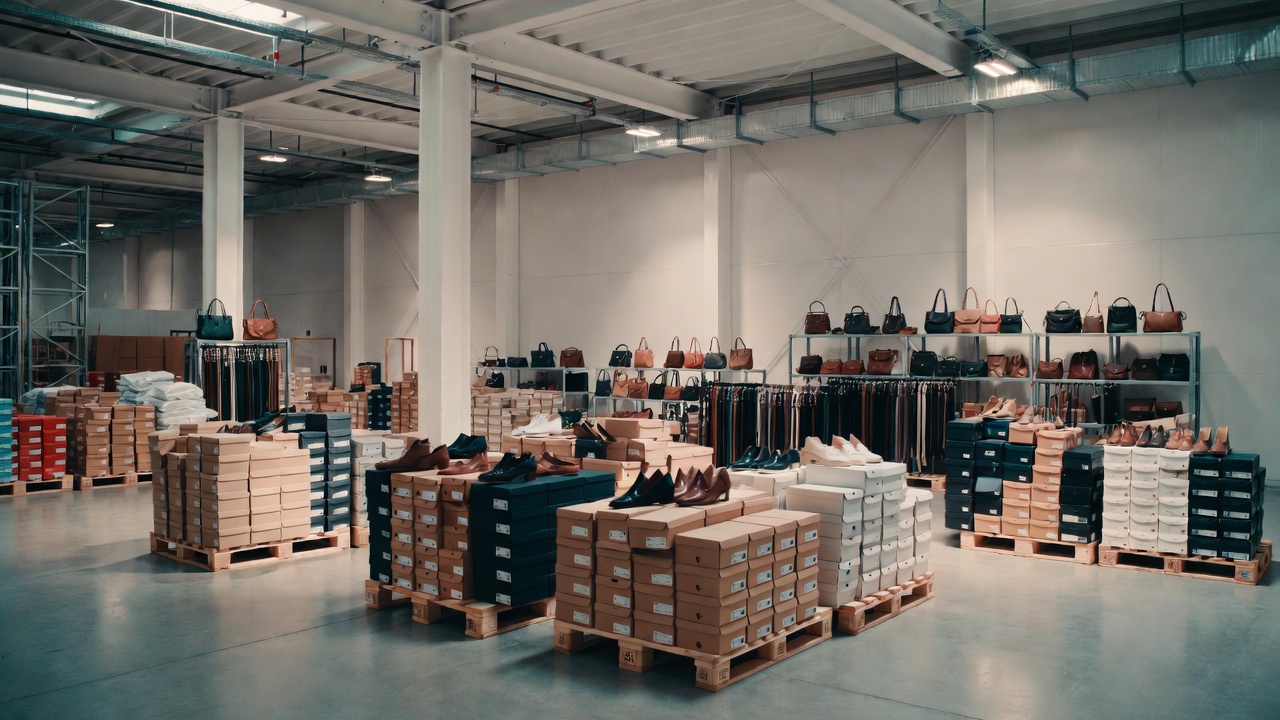
Footwear & Accessories Flow
In footwear and accessories, the transportation challenge comes less from volume and more from variety. Different model, size, and series combinations require a clear structure during packaging and loading. In boxed products, the main risk is confusion, broken sets, and physical damage during transit. For this reason, shipments in this group are prepared with box order and product separation in mind.
The focus of the operation is not speed, but preserving order during distribution.
Textile Materials (Fabric & Auxiliary Materials)
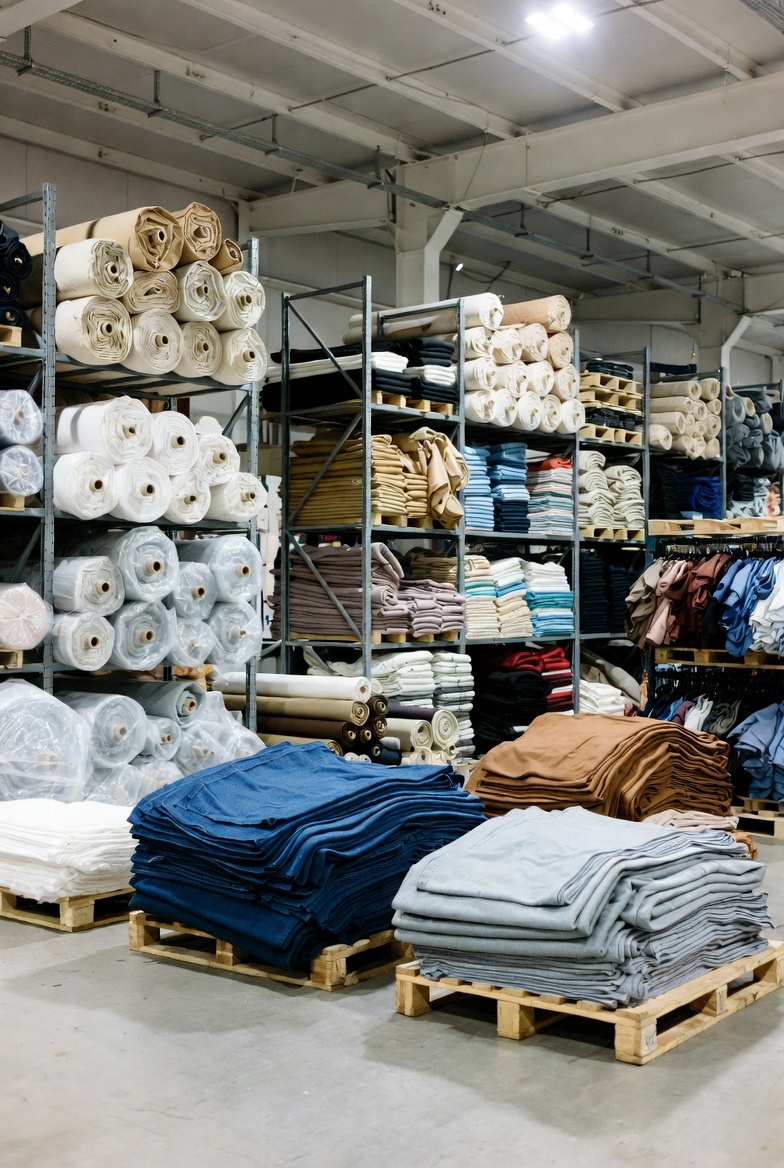
In textile materials, transportation depends more on production tempo than retail. Fabric rolls, accessories, and auxiliary materials determine the continuity of the production plan. In this group, the sensitive point is not speed, but continuity of flow. Stacking order, loading method, and delivery sequence are structured so they do not create waiting time or disruption on the production line.
The goal here is not one-time fast delivery, but a supply routine that does not break the rhythm.
Return Flow & Reverse Routing
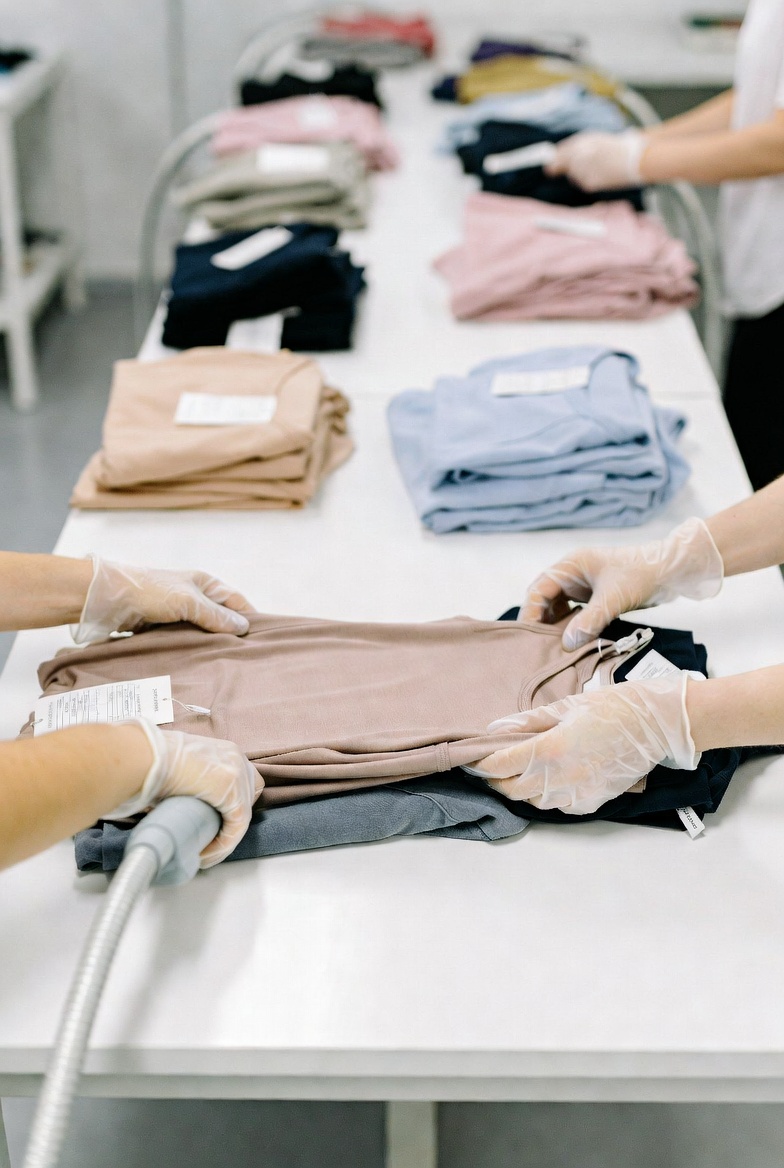
In apparel and retail, returns are not an exception but part of the operation. The problem is not the existence of returns, but an uncontrolled process. When collection, sorting, and reverse routing steps are not clearly defined, stock visibility breaks down and resale is delayed. For this reason, return shipments are handled with a separate structure, without being disconnected from the main distribution flow.
The aim here is not speed, but keeping the stock cycle from falling apart.
Warehousing (As Needed)
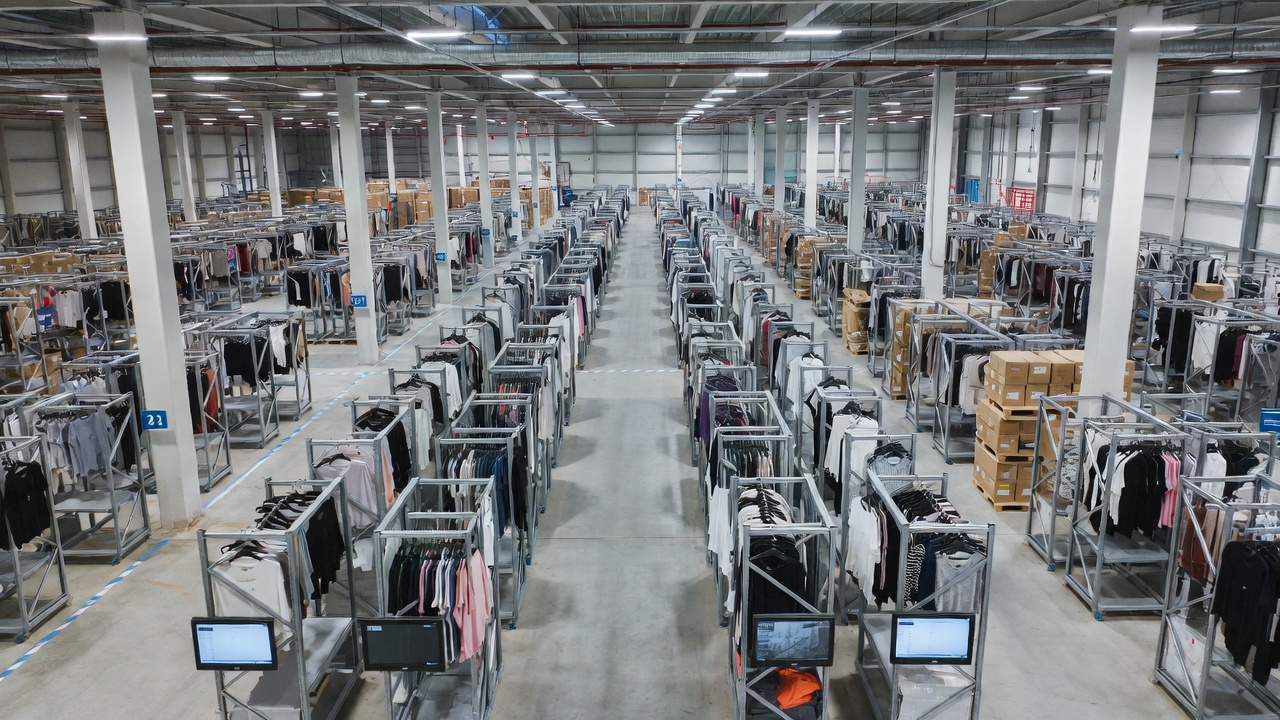
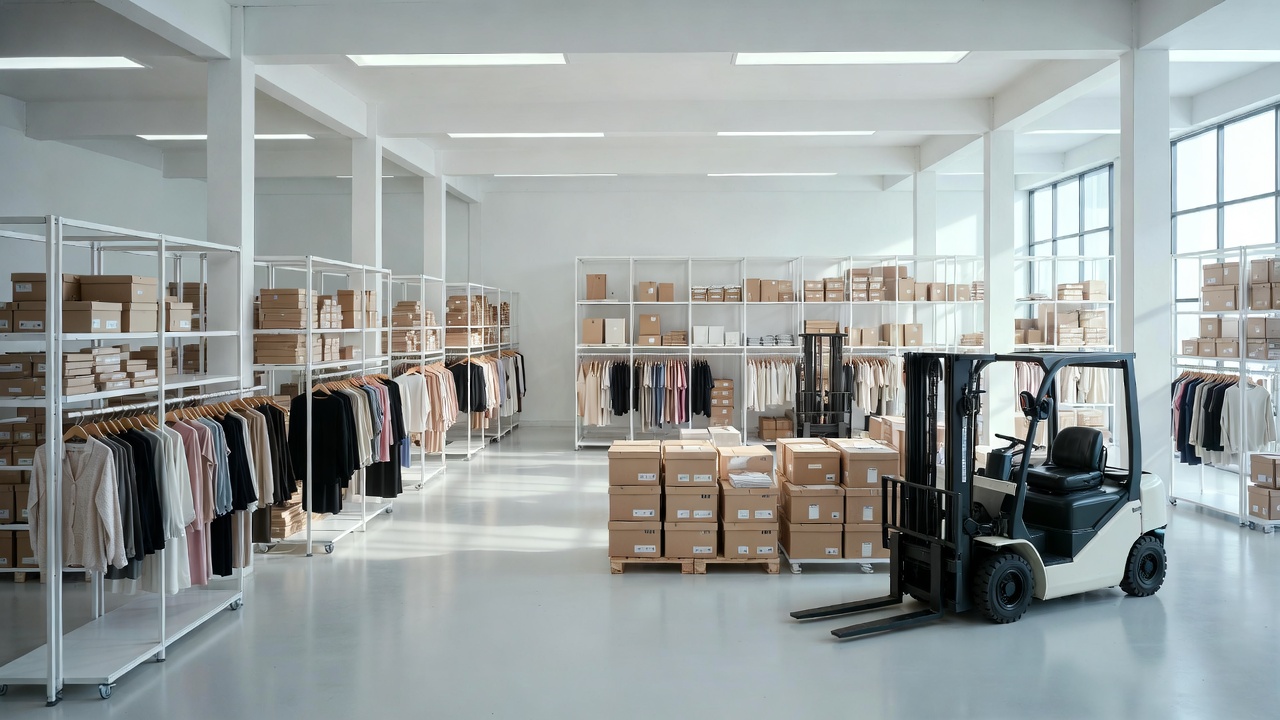
In textile and apparel operations, warehousing is not handled as a standalone service, but as a way to close the gaps between the transport plan and the distribution schedule. During seasonal transitions, store opening calendars, or when shipments cannot all depart at the same time, products may need to be held for a short period. In this process, the focus is not on holding stock, but on preserving shipment order and product integrity.
Products are positioned according to the distribution plan and prepared for shipment without disturbing the dispatch sequence. Warehousing here is not something that expands the operation, but an intermediate solution that keeps transportation moving without delay.
Visibility & Process Tracking
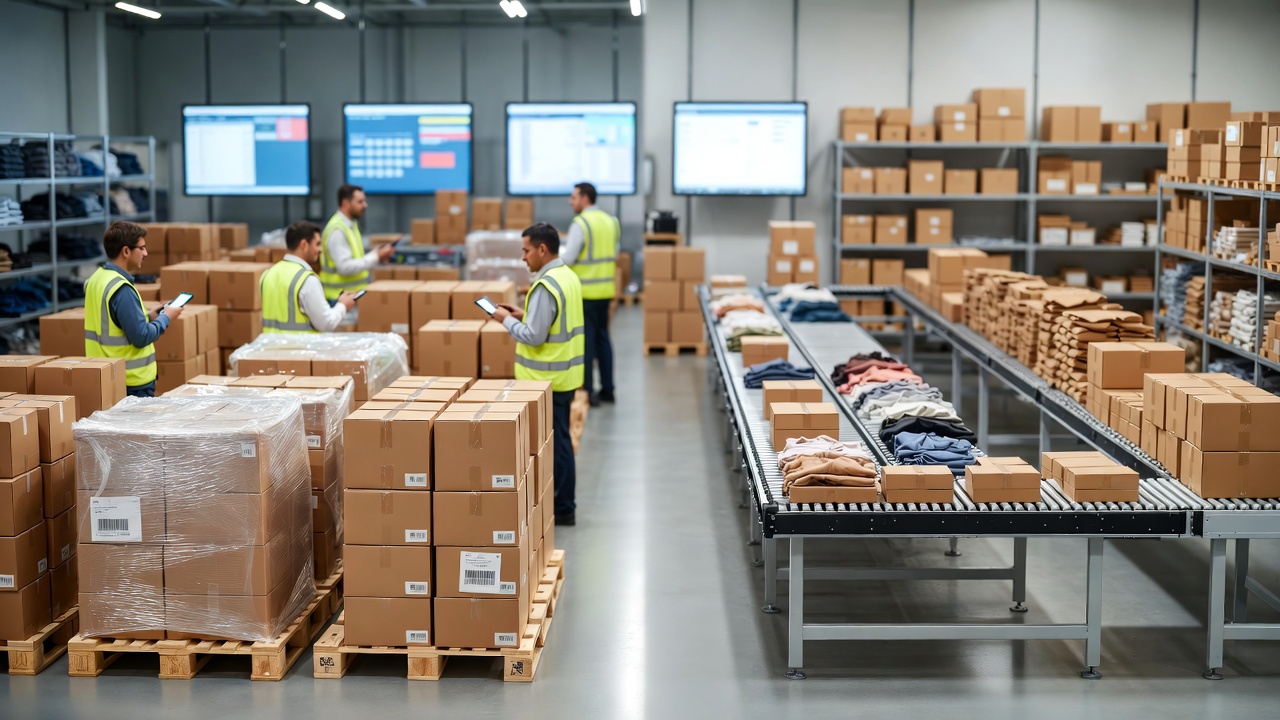
In textile and retail logistics, problems usually arise not at delivery, but in the disconnected progress of the process leading up to it. If it is not clear which stage the shipment is in, which delivery window it is reaching, and how it is progressing in the field, even a small delay grows and moves outside the plan.
For this reason, the real need in the shipment process is not a “detailed report,” but clear tracking and timely information flow. Delivery windows, store receiving structures, and peak periods make field coordination critical.
The aim is not to monitor every single step, but to provide operational visibility that can identify disruption before it happens.
Transport Conditions with ARAN Logistic
& Operational Discipline
At ARAN Logistic, in textile and apparel transportation, we consider not only the delivery schedule but also the transport conditions of the product as part of the operation itself.
The shipment structure, built by taking humidity, temperature fluctuations, and possible environmental risks during transit into account, aims to ensure that products arrive to the receiver ready for sale and distribution.
We apply the transportation and delivery structures summarized on this page in the field every day, across different product groups and retail scenarios. Our experience does not make the process more complex; it makes it more predictable and more controlled.
Transportation That Protects
Your Operational Rhythm
ARAN Logistic handles transport conditions and delivery discipline together in textile and apparel shipments. Products reach the receiver ready for sale through shipments planned with humidity, temperature, and operational risks in mind.