
Sectors / Electronics & Technology
In Electronics, Logistics Means Managing Risk
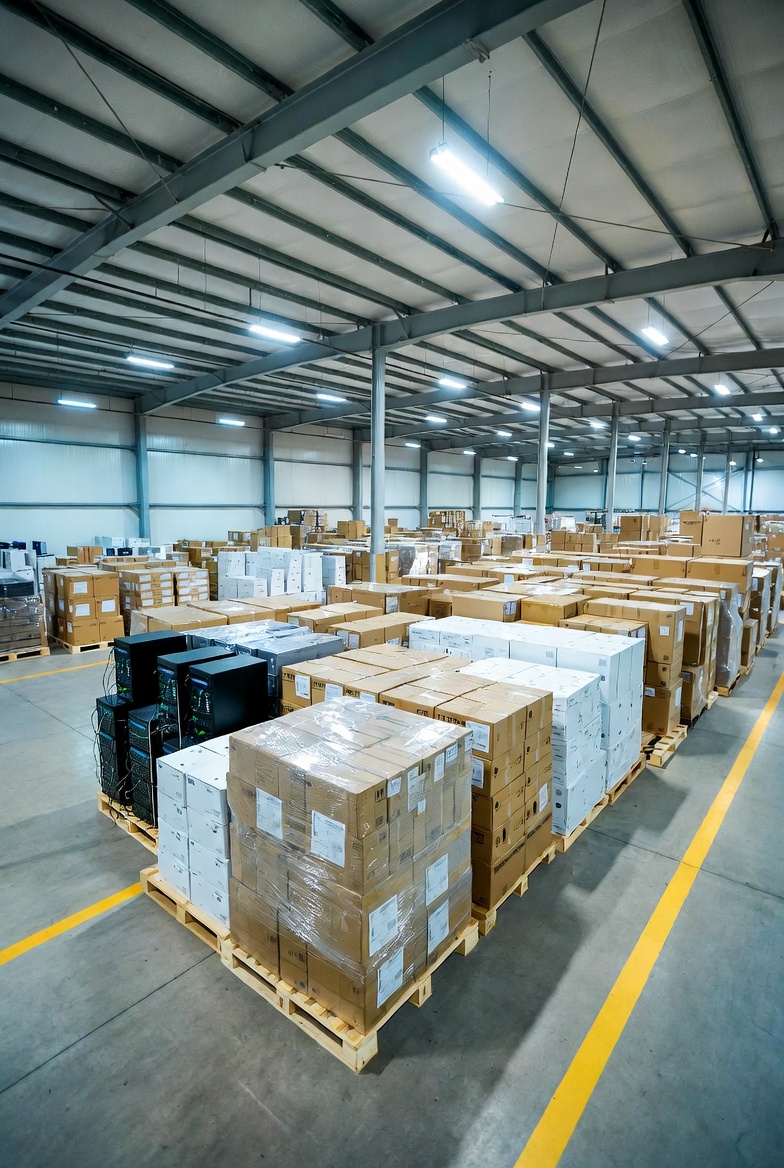
Electronic products are more sensitive to shock, vibration, humidity, and incorrect stacking. For this reason, transportation is not simply “shipping” — it is a control chain that protects product value.
Laptops, small household appliances, consumer electronics, telecom equipment, or spare parts… As the product type changes, so do packaging, loading layout, handling method, and delivery protocol.
On this page, we clearly summarize the main operational flows most commonly applied in electronics & technology logistics.

Sensitive Cargo
An approach that reduces shock & vibration risk.
Packaging Discipline
Boxing, inner fill, and fixing standards.
Careful Handling
Control and order during loading and unloading.
Stacking Order
A loading structure that protects product form.
Warehousing Support
Short-term holding and dispatch preparation.
Traceable Flow
Clear coordination and tracking throughout the process.
Electronics & Technology Flow Areas
In electronics transport, protecting the product throughout the journey is just as critical as operational speed. The sections below summarize the most common on-the-ground needs and practical workflows.
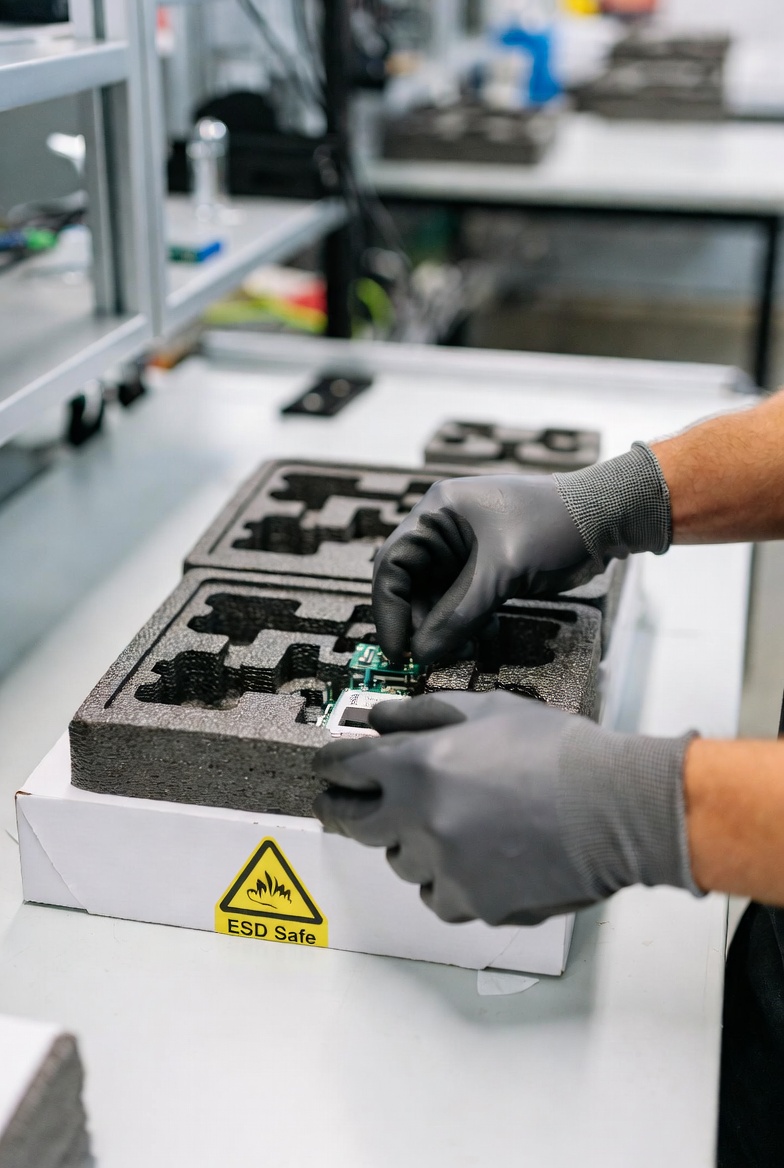
Product Sensitivity: Shock, Vibration, Moisture
In electronics, damage often occurs before it is visibly noticeable. Micro-shocks, vibration, and humidity can affect product performance and return rates.
That is why packaging and transport layout are treated as a control chain that protects product value.
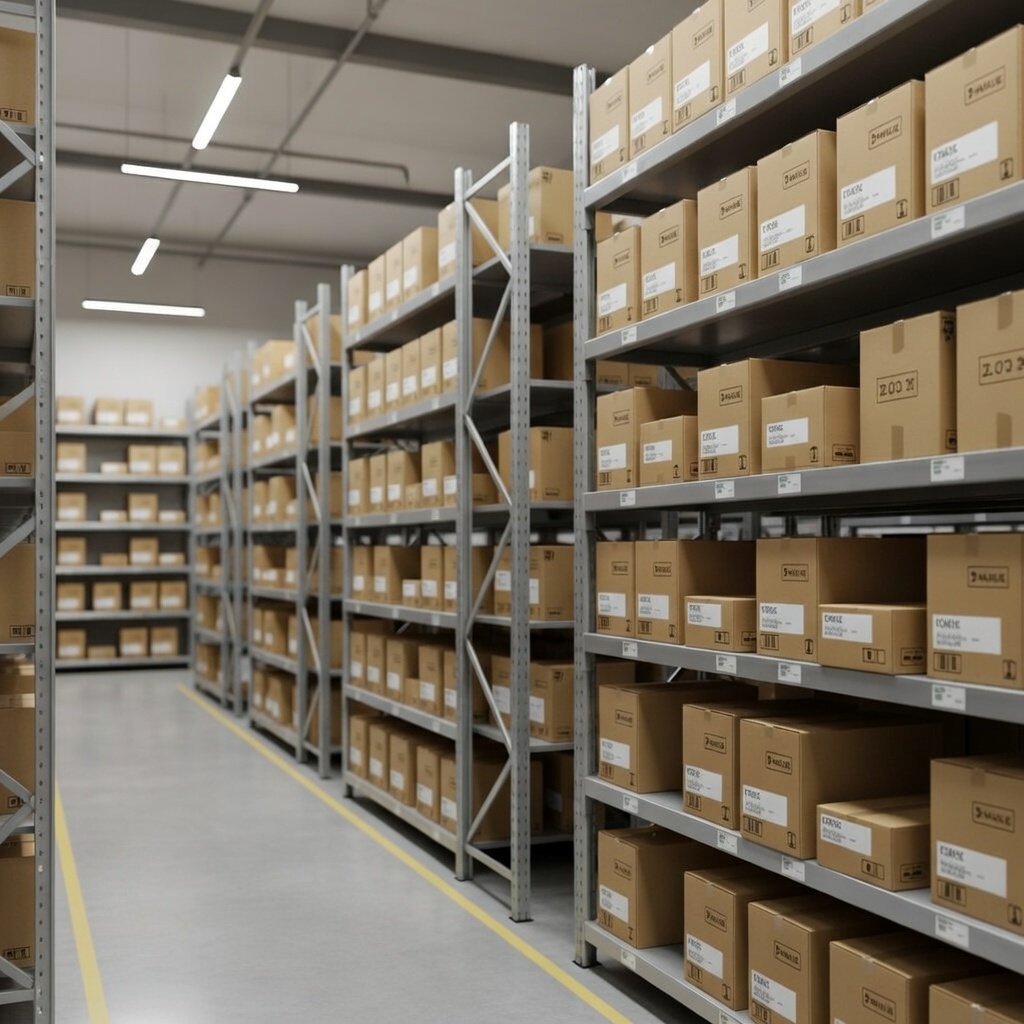
Handling Discipline: Controlled Loading & Unloading
Loading and unloading are the points where damage risk is highest. Palletizing, stacking direction, intermediate fixing, and equipment usage are critical for operational safety.
The objective is not simply “fast,” but controlled and standardized handling.

Controlled Transport: Route, Schedule, and Delivery Protocol
In electronics shipments, planning covers more than the route — it also includes the delivery protocol. Receiving hours, appointment-based deliveries, regional congestion, and transfer احتمals all shape the process.
The goal in these flows is delivery discipline that moves forward without surprises.

Warehousing & Distribution Support (as needed)
In electronics & technology, warehousing is often used not to “hold stock,” but to stabilize the shipment plan and preserve delivery order.
Products are positioned according to dispatch planning, reducing confusion and the risk of broken sets.
Traceability & Process Monitoring
In electronics transport, issues often appear not at “delivery,” but in coordination gaps throughout the process. If the current stage, transfer risk, delivery window, and site situation are not clear, a small disruption grows.
That is why the real need is not “more reports,” but accurate information flow and planned progress at critical moments.
The aim is not to track every single step, but to create operational visibility that allows problems to be noticed before disruption grows.
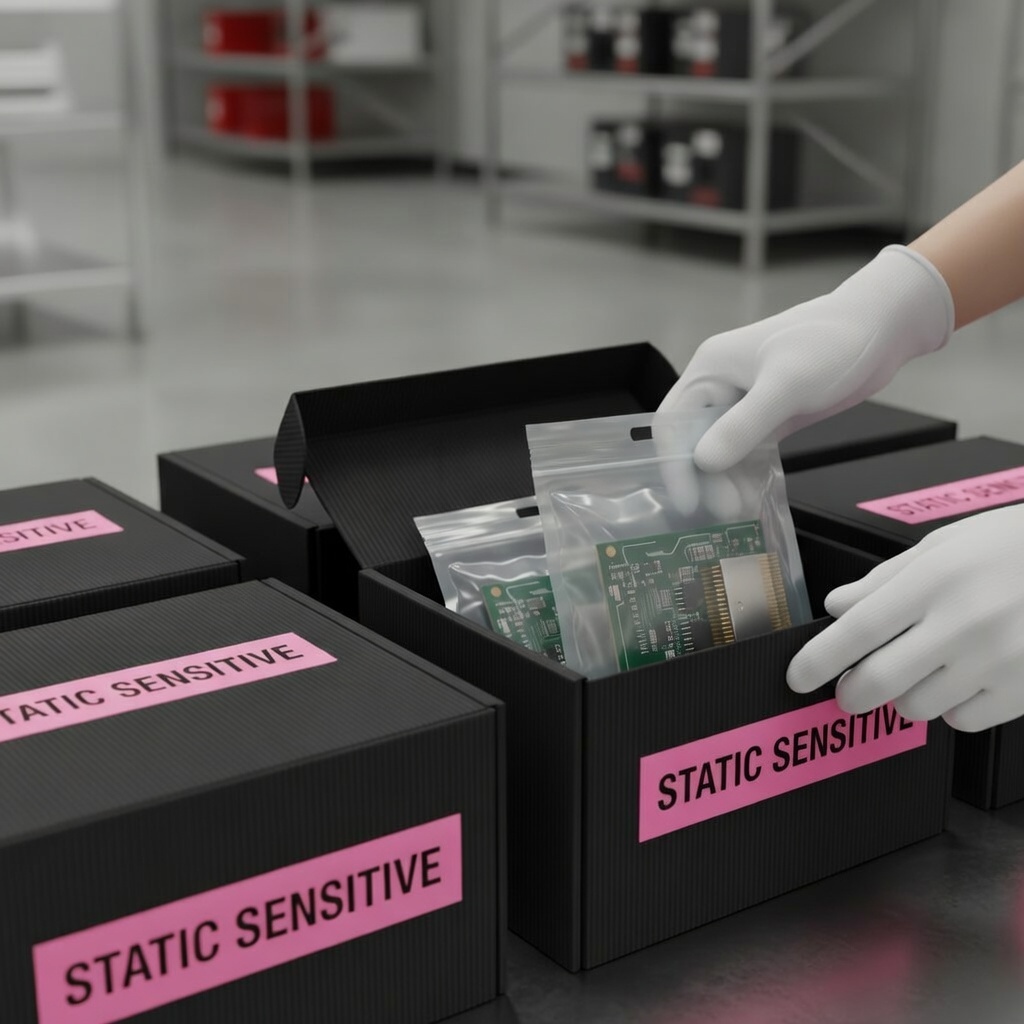
Product Sensitivity
& Operational Discipline with ARAN Logistic
At ARAN Logistic, in electronics and technology transport we do not only consider the delivery schedule; we also treat product sensitivity as part of the operation itself.
A shipment structure built with shock, vibration, moisture, and handling-related risks in mind aims to ensure that products reach the consignee functional, complete, and ready for sale.
We have applied the transport and distribution disciplines summarized on this page for years across different electronics product groups. Our experience does not make the process more complex; it makes it more predictable and more controlled.
Electronics Transport That Protects Product Value
ARAN Logistic treats the control chain in electronics & technology transport as one complete process, from packaging to delivery. Products reach the consignee ready for use through shipments planned with shock, vibration, humidity, and handling risks in mind.