
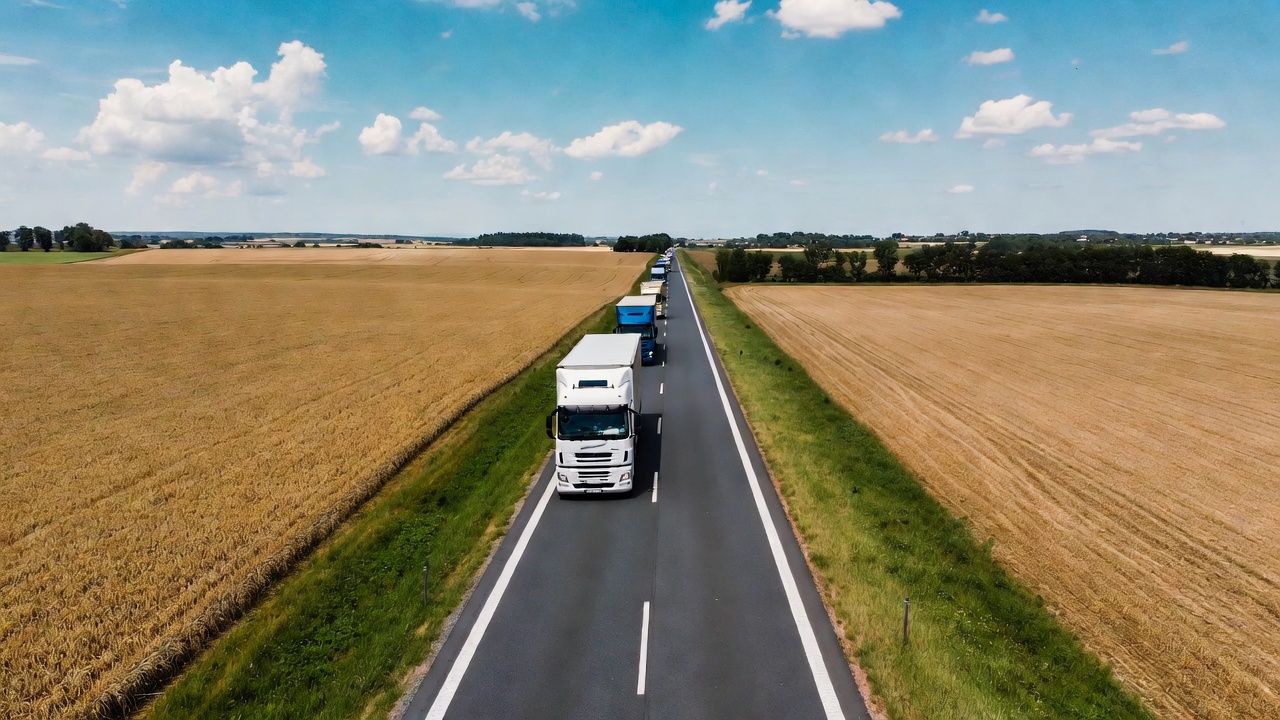
Industries / Agriculture
Agriculture Logistics
In agriculture, logistics is not just moving cargo from point A to point B. What matters is protecting the product throughout the journey and delivering it in a condition that’s ready for sale or distribution.
For grains, pulses, feed, and similar commodities, even a small planning mistake can become quality loss, delays, and commercial risk. That’s why the transport plan is built around the product’s characteristics.
Below, we summarize the most common field flows and the core elements that keep them stable.
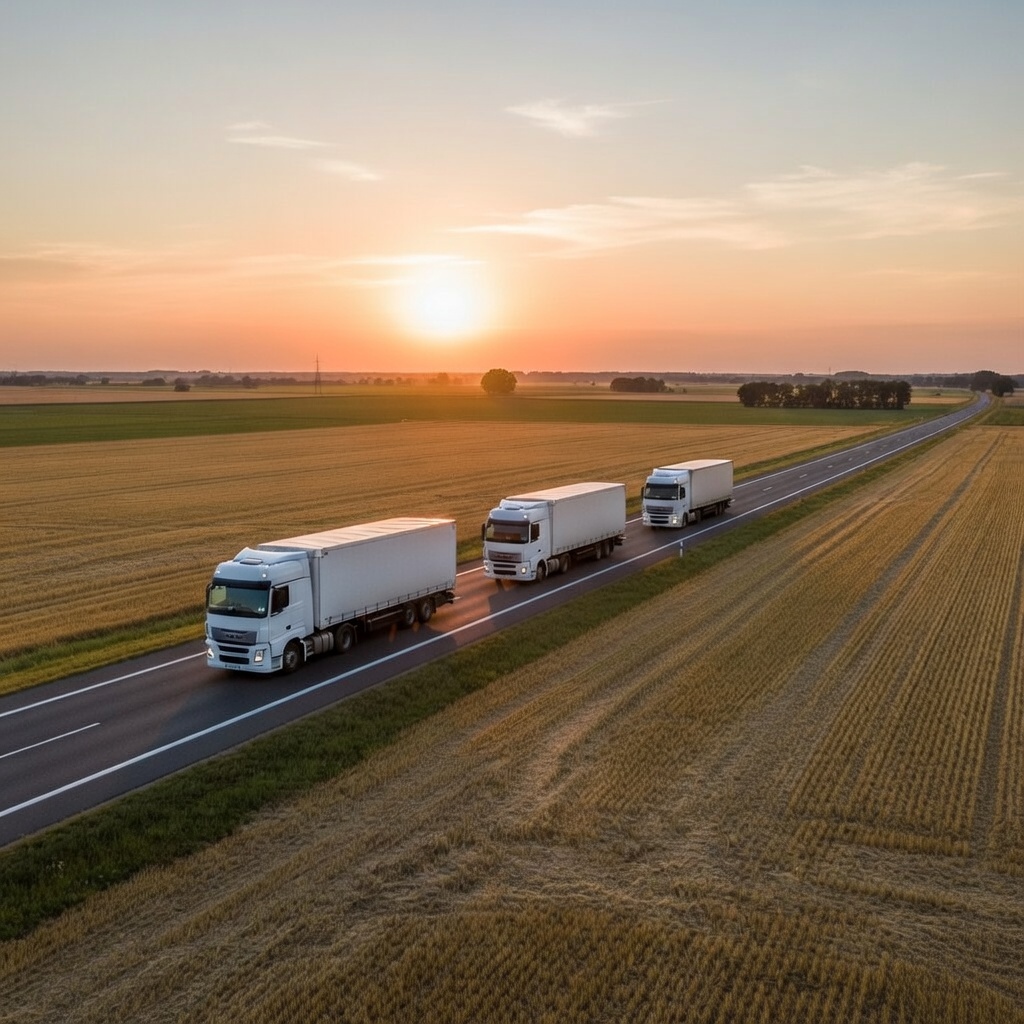
Condition Control
Transport discipline that protects the product.
Bulk Flow
Controlled operations for bulk commodities.
Handling
Order and control at loading/unloading.
Scheduling
Plans aligned with delivery windows.
Warehousing
Shipment prep and distribution support.
Process Visibility
Coordination and operational transparency.
Operational Flows in Agriculture Logistics
In agriculture transport, planning must reflect how the field actually operates. When receiving hours, peak season intensity, unloading rules, and volume management are clear, shipments move steadily. The sections below summarize the most common operational scenarios.
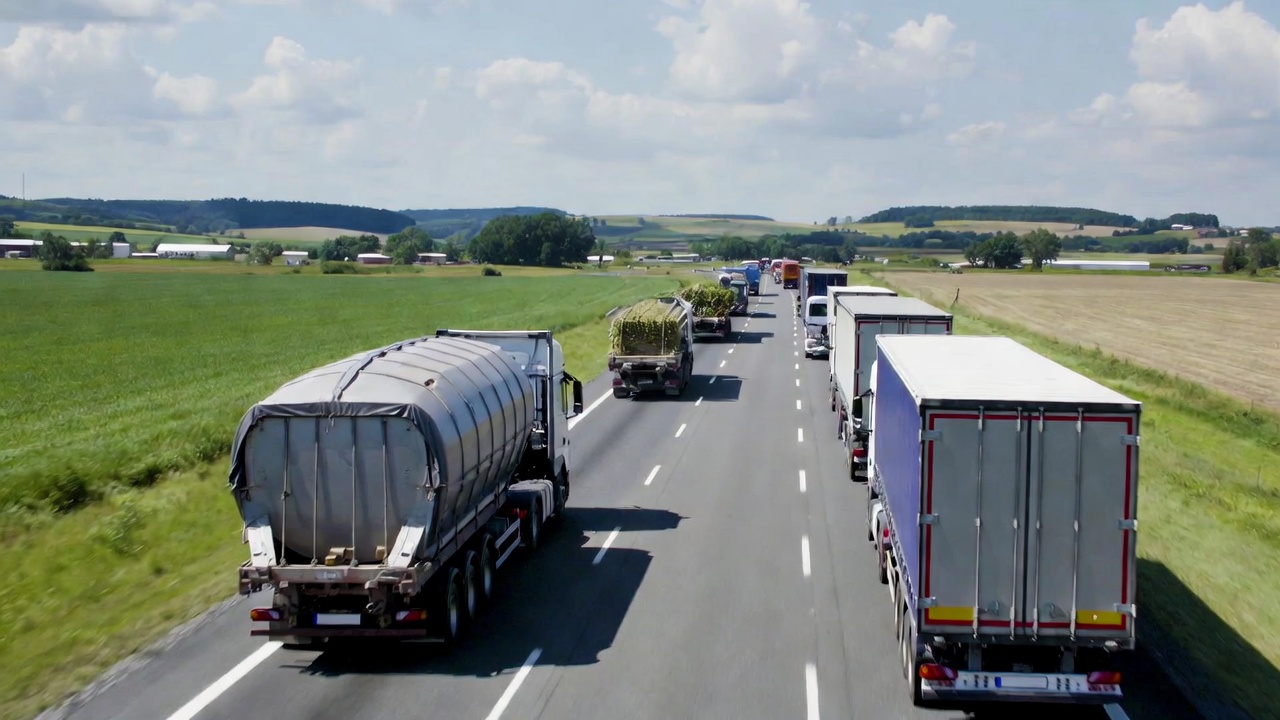
Road Freight Transport
Road transport for agriculture products requires flexible planning and accurate timing. During harvest seasons, volumes rise, receiving windows tighten, and appointment-based unloading is often introduced.
ARAN Logistic plans shipments around these realities — reducing idle time and avoiding surprises on the receiving side.
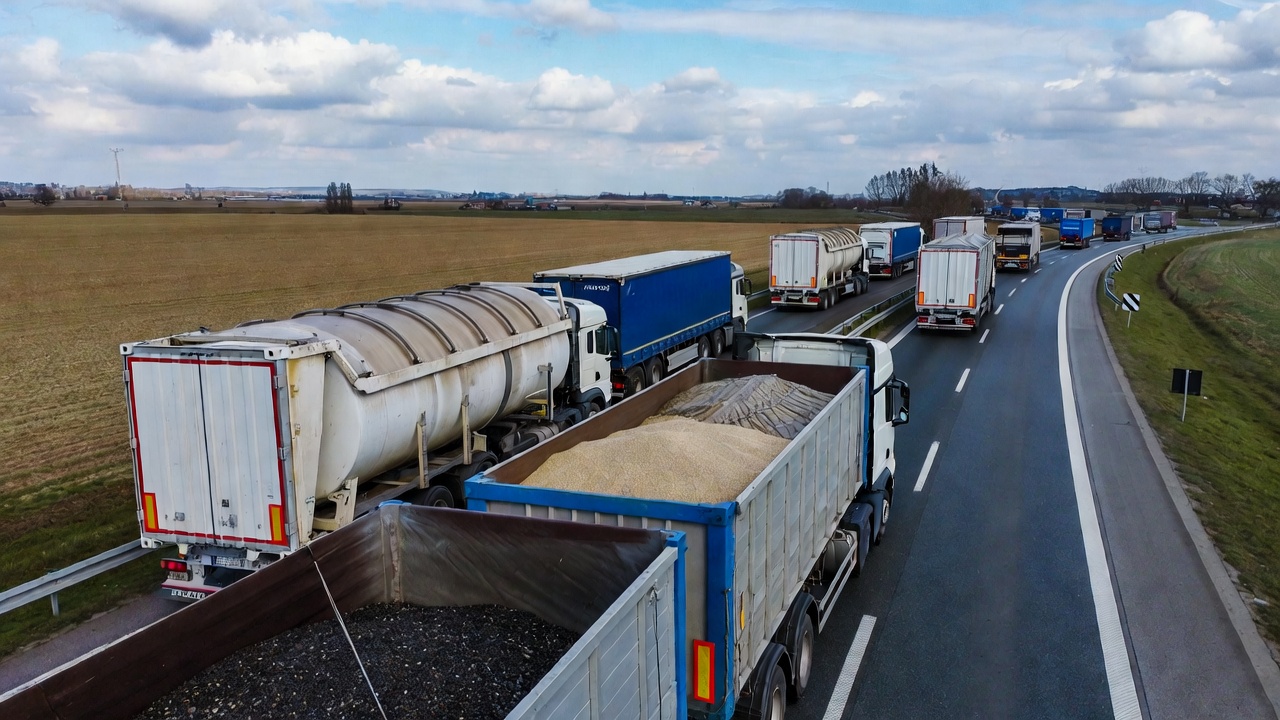
Bulk Transport
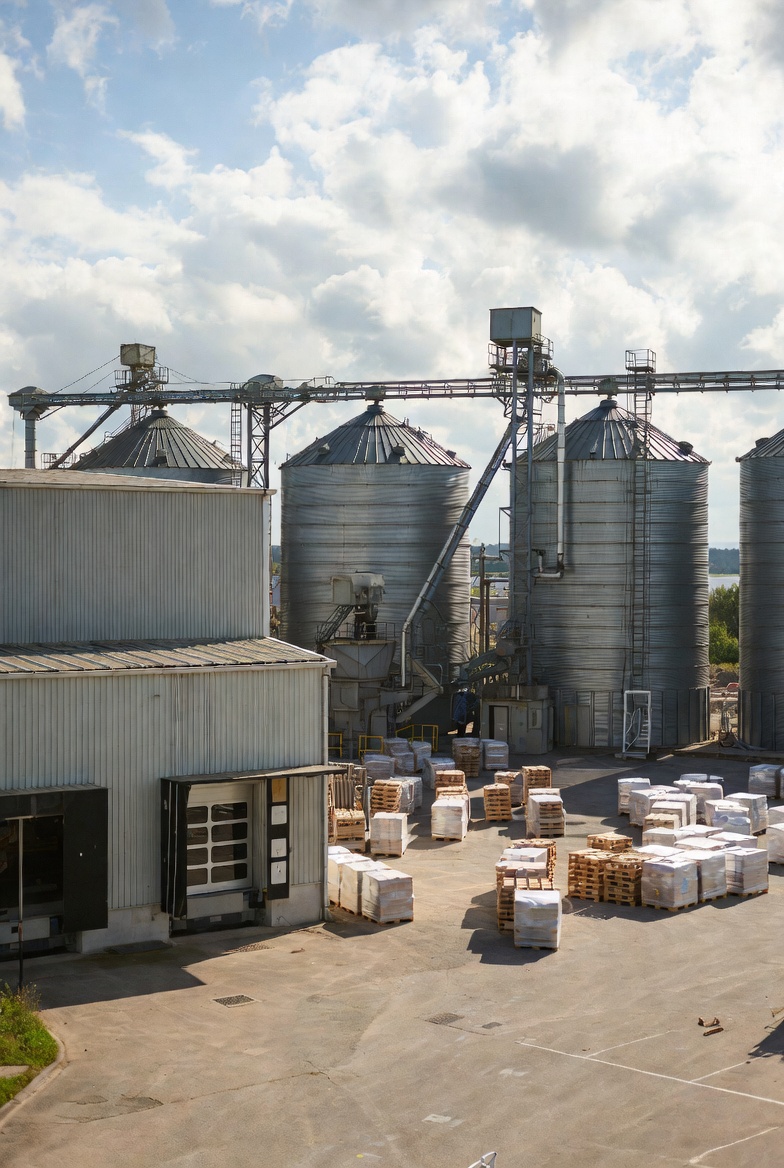
In bulk agriculture flows, success depends on load safety and the unloading process. When sealing, stacking, and site procedures are not managed correctly, product loss and quality issues may occur.
ARAN Logistic operates bulk transport with a controlled-flow mindset — from loading to completion of unloading, the process stays disciplined.
Warehousing & Distribution Support
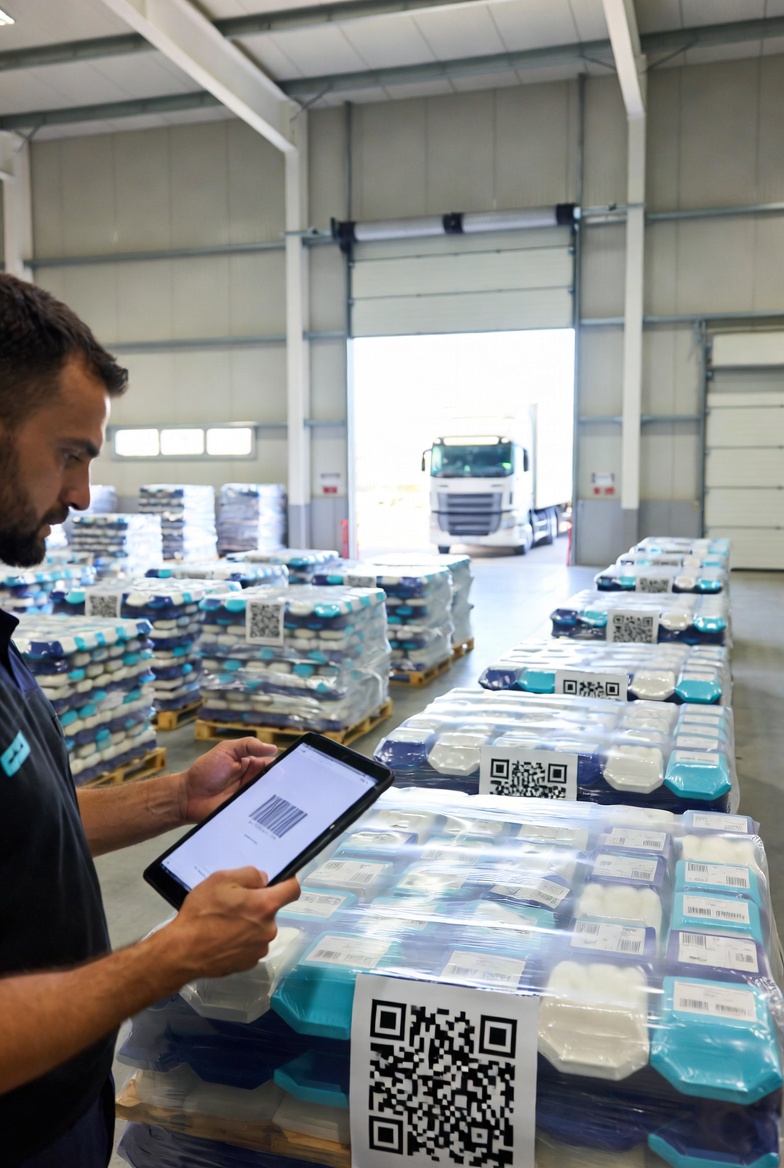
In agriculture logistics, warehousing doesn’t always mean long-term storage. In many cases, the goal is balancing the shipment schedule and preserving the distribution sequence.
When pallet layout, labeling, and positioning by dispatch order are done correctly, on-site confusion drops and shipments become easier to manage.
Handling Processes
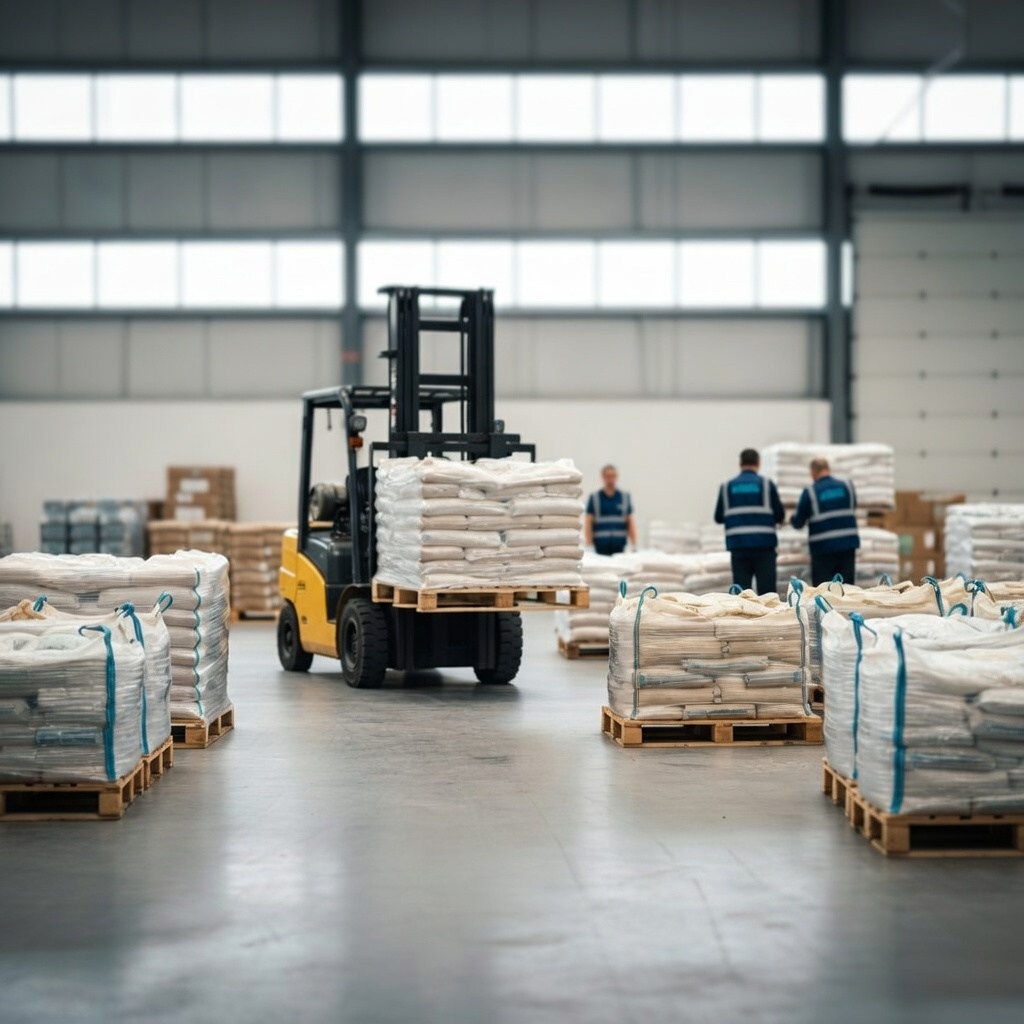
The highest-risk moments in agriculture logistics are loading and unloading. Wrong equipment, poor stacking, or an unstructured yard setup can cause product loss and operational delays.
ARAN Logistic applies standards-based handling discipline. The goal isn’t speed — it’s controlled movement without damage.
Process Tracking & Operational Visibility
In agriculture logistics, issues rarely appear at a single point — they can arise across different stages of the journey. Changes in receiving hours, site congestion, or unloading delays may create a chain reaction.
That’s why what matters is getting the right information before a small disruption becomes a bigger problem — and keeping operations moving in a planned way.
ARAN Logistic’s approach is not “report every step,” but build clear coordination at critical moments to keep shipments stable.
Agriculture Transport with ARAN Logistic
ARAN Logistic doesn’t focus only on delivery dates in agriculture transport. Transport conditions, environmental impacts, and yard discipline are a natural part of the shipment plan.
While building the plan, we evaluate the product characteristics, loading/unloading requirements, receiving rules at the destination, and the route together. This helps the cargo arrive safely — in a predictable and reliable way.
With years of field experience across different agriculture products and commercial scenarios, we manage the process without unnecessary complexity. Our goal is to create a more controlled and sustainable logistics flow for our customers.
Let’s Plan the Right Agricultural
Transport for Your Operation
Based on product type, volume profile, delivery schedule, and route, we can plan your agricultural shipments together. When the flow matches the receiving rules on the ground, shipments move far more steadily.