Sectors / Energy Sector
Energy Logistics
Energy projects are built on site; but the path to the site is defined at the desk. Equipment is large, and schedules are tight. That is why logistics is not just “transport” — it is planning, discipline, and coordination.
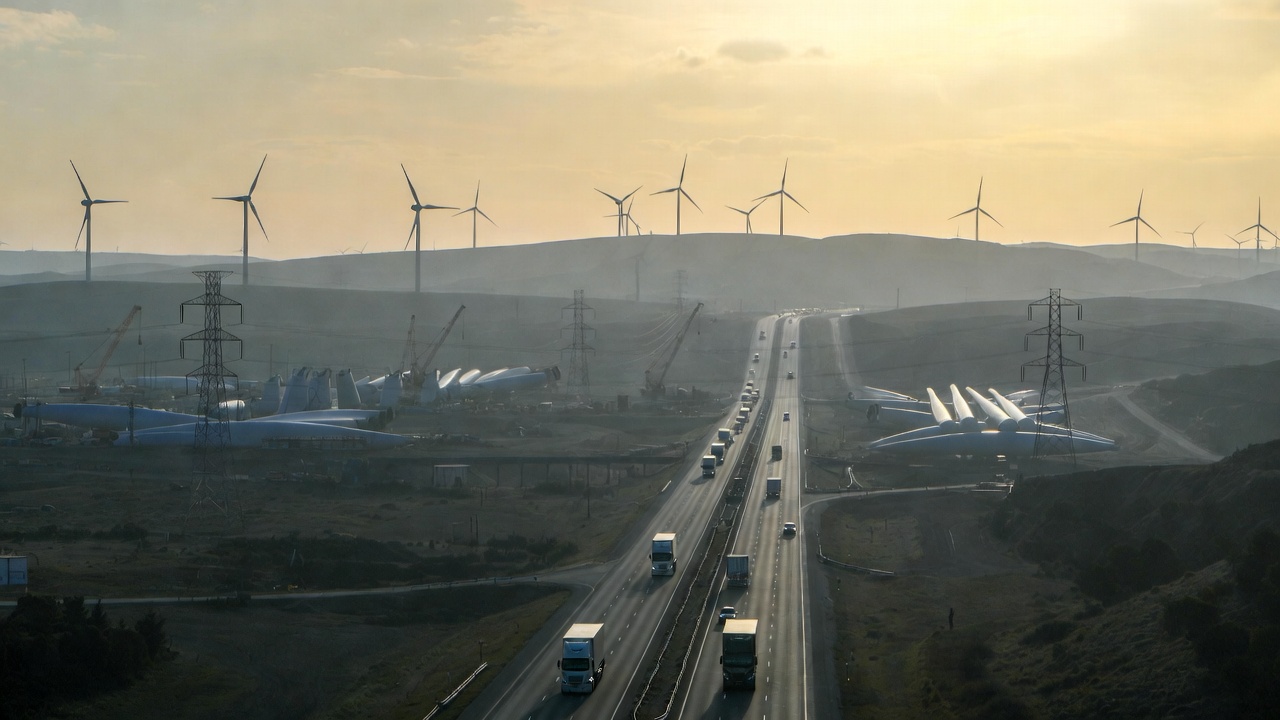
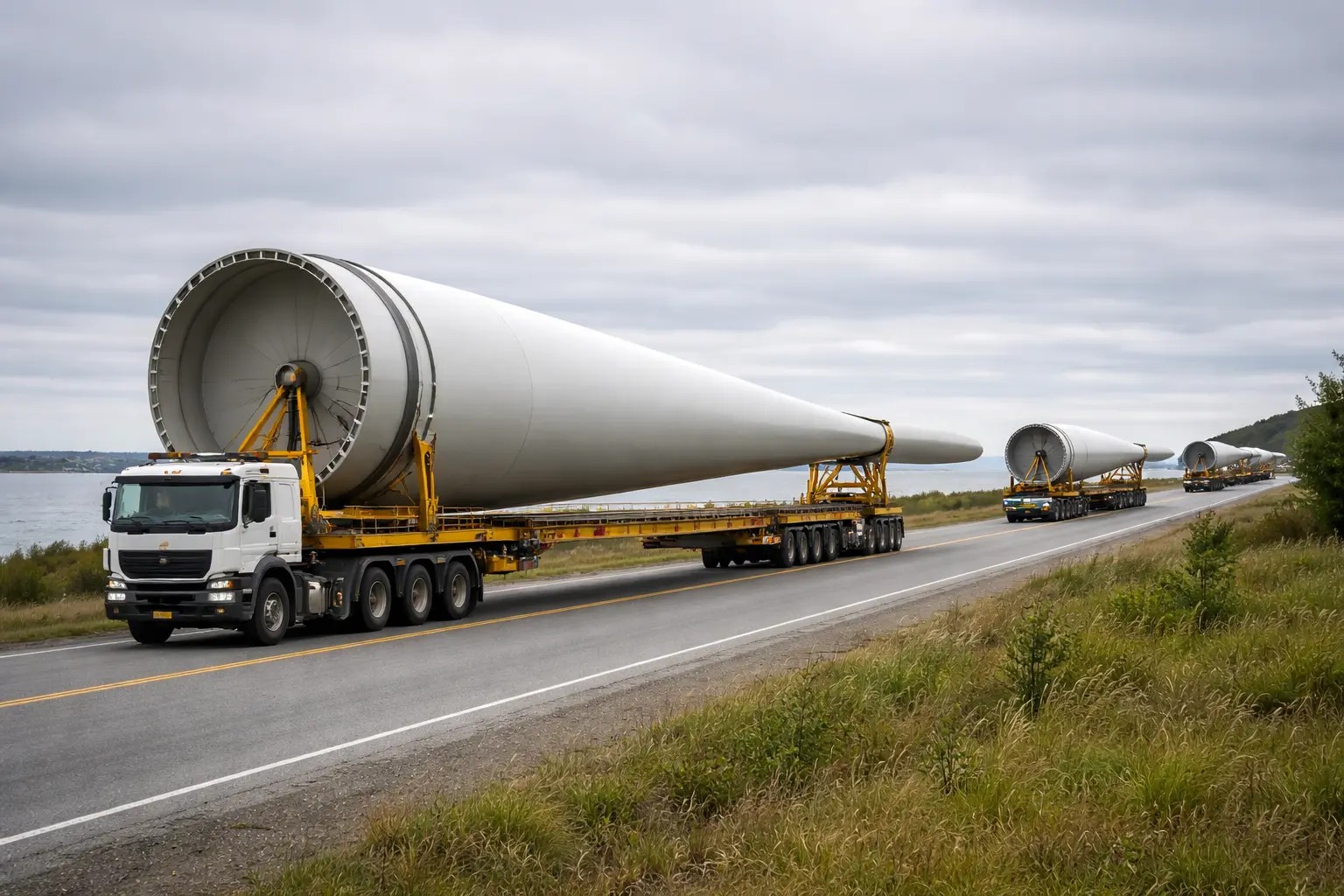
In wind turbine transport, out-of-gauge cargo such as blades, tower sections, and nacelles; in solar projects, the delivery of panels, inverters, and structural systems; and in oil and gas projects, pipelines, valve groups, and heavy process equipment all reach the site according to the same principle: departure in the right order, predictable delivery, and controlled site handover.
In the energy sector, ARAN Logistic focuses on managing international road transport through a single flow: route planning (route survey), permit management, customs/document compliance, and delivery windows. Below, you will find the most common operational areas encountered on site.
Project Planning
Structured around the site schedule.
Route Discipline
If the route is clear, the process stays stable.
Document Compliance
Reduces surprises at border crossings.
Delivery Schedule
Critical items arrive on site on time.
Risk Control
Damage tolerance is low for valuable equipment.
Visibility
Clear information and coordination at critical moments.
What Is Energy Logistics?
Energy logistics is the delivery of equipment and materials used in energy projects to the project site in the right order, under the right conditions, and at the right time.
This approach, especially for out-of-gauge and high-value cargo, is often treated as a natural extension of project management due to route constraints, bridge and tunnel limits, delivery windows, and site lifting plans.
In international road transportation, ARAN Logistic focuses on keeping the flow of energy projects stable through route logic, permit/document discipline, and delivery scheduling.
Factors That Make Logistics More Complex in the Energy Sector
In energy projects, delays rarely remain limited to a single shipment; they often create a chain reaction. A late-arriving piece of equipment can directly affect crane planning, installation sequence, and the overall project schedule. That is why seeing potential breaking points in advance is critically important.
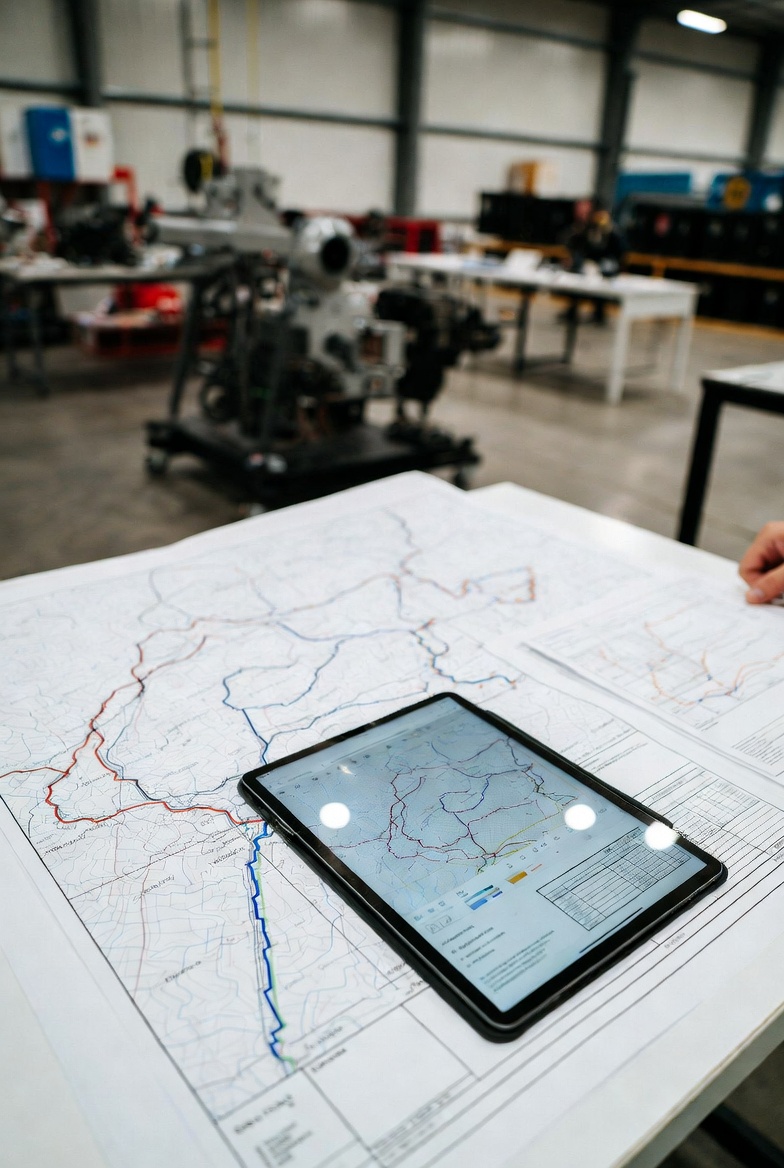
- Route constraints and route surveys: Bridge carrying capacities, tunnel heights, urban crossing limits, and narrow maneuvering points require a detailed route survey.
- Document, permit, and customs compliance: Out-of-gauge transport permits, border crossing procedures, and customs documents specific to project cargo determine time management.
- Site delivery windows: Crane availability, crew shifts, and site safety procedures limit delivery timing and sequence.
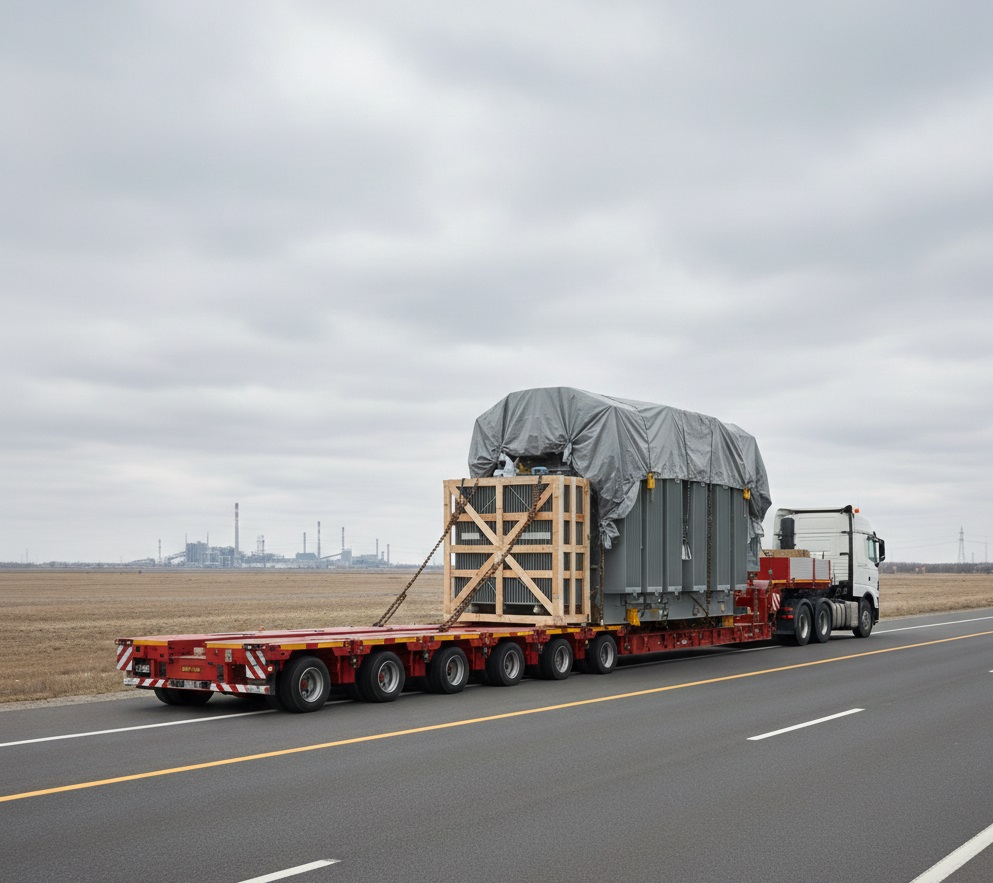
- High-value equipment sensitivity: For transformers, generators, and similar equipment, damage tolerance is low; loading, securing, and insurance coverage become critical.
In energy logistics, the right approach is not to force the process to move faster, but to move forward in a controlled and predictable way without disrupting the flow.
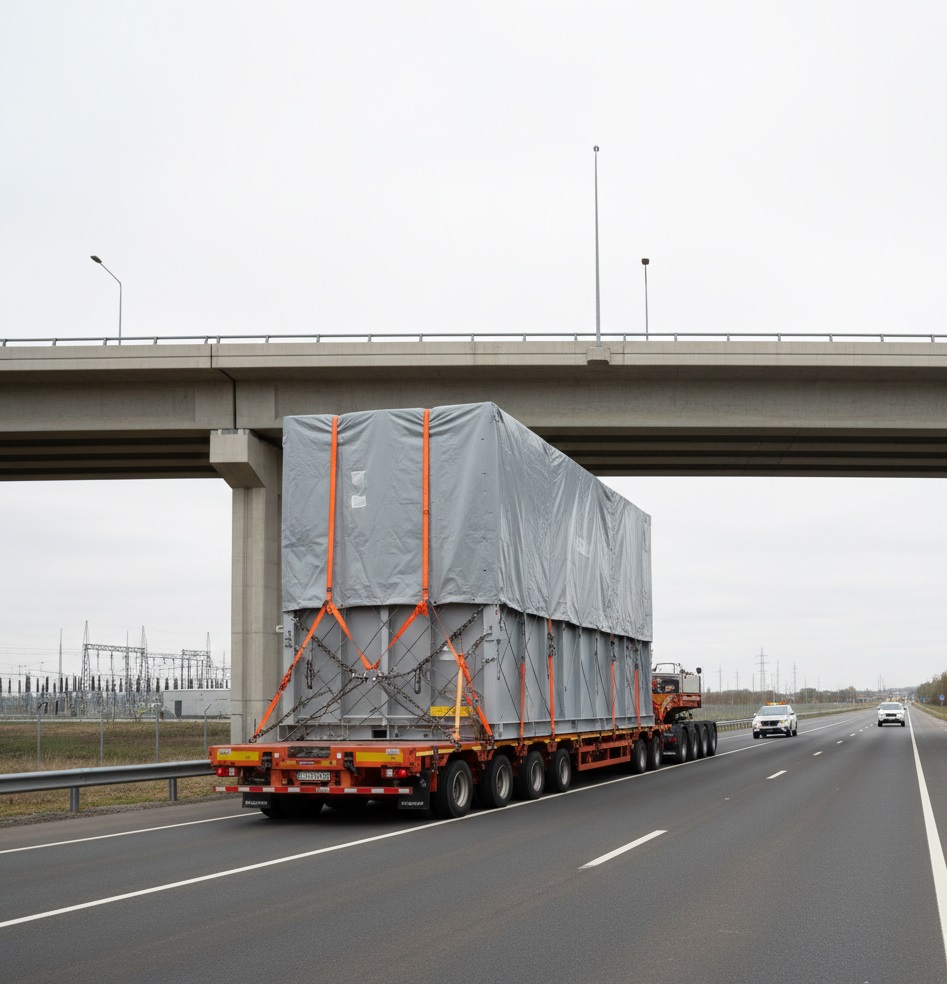
Operational Flows in Energy Projects
The goal here is not to extend every possible scenario, but to summarize the most common operational flows on site in a clear and understandable way. In energy logistics, success is not about “doing more,” but about moving forward without breaking the right sequence.
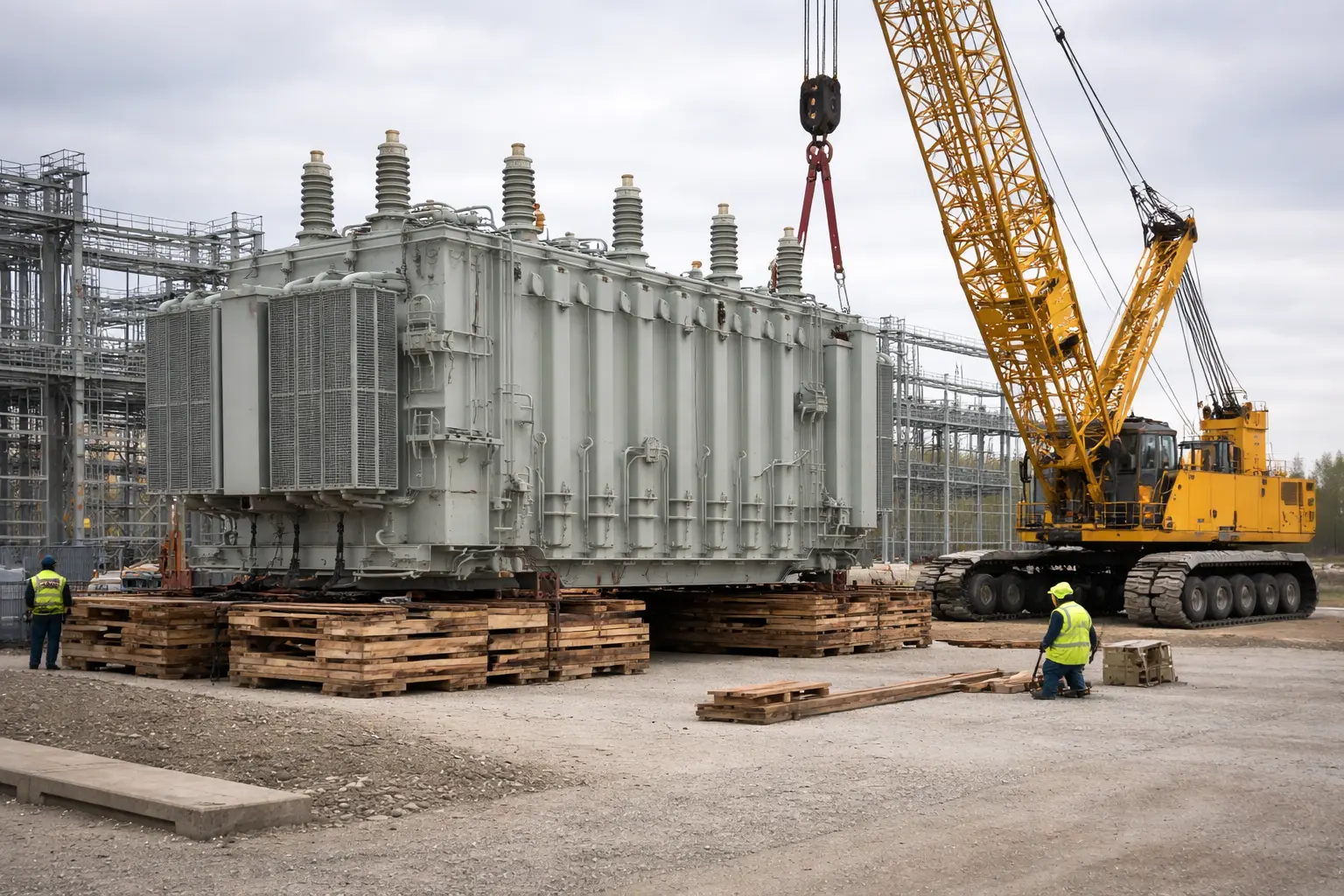
Project Equipment Shipments
In energy projects, equipment is not handled piece by piece; all cargo heading to the site is evaluated as a whole. When the correct departure order is not established between transformers, generators, cables, steel structures, or auxiliary equipment, waiting times and the need for repeated handling arise on site. If delivery windows are not aligned with crane planning and site crews, even equipment that arrives on time may slow the operation. For this reason, shipment planning must be structured not only around transport dates, but together with the project schedule.
ARAN Logistic plans energy project shipments in line with the project schedule, focusing on getting critical items to site in the right order and with predictable delivery timing.
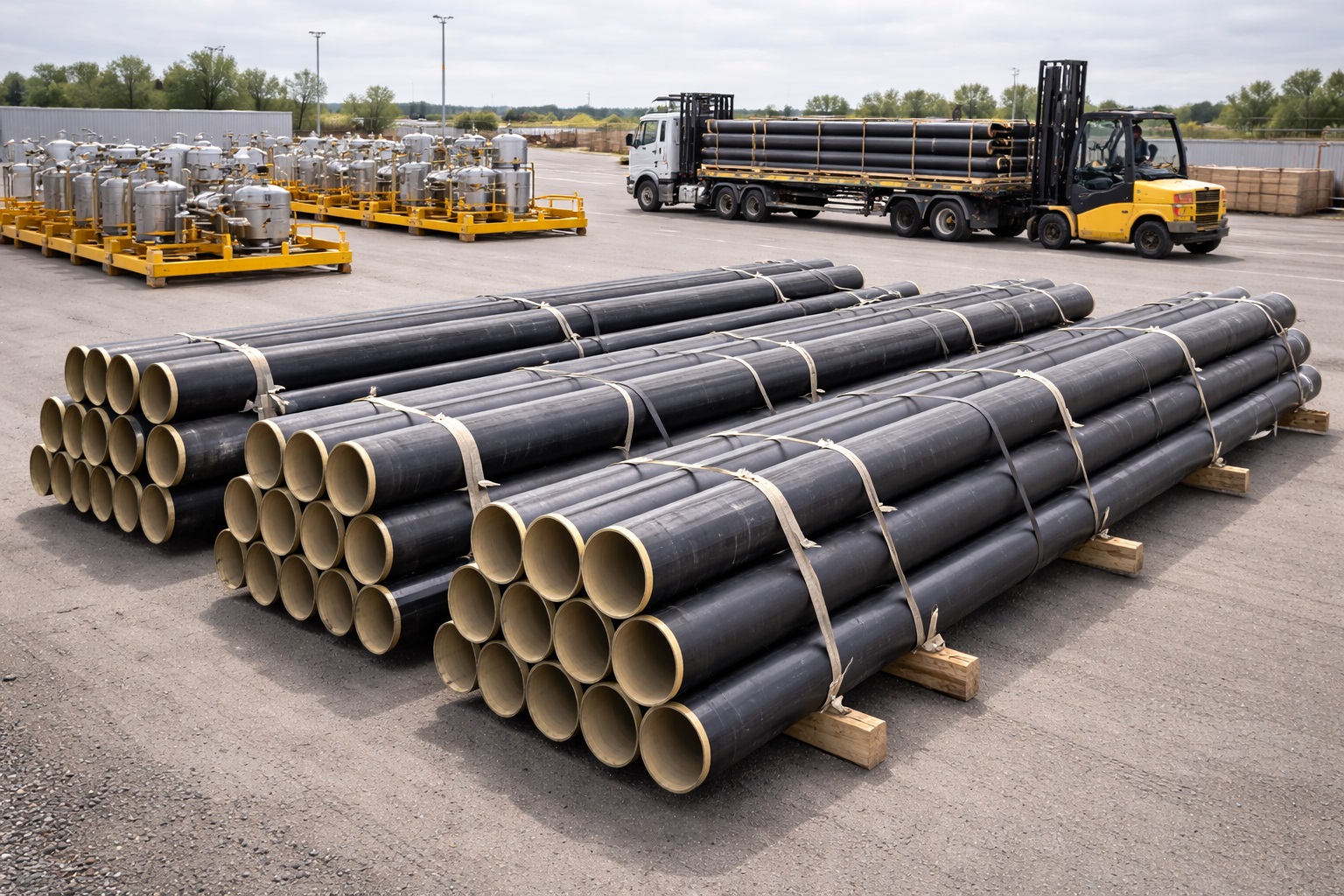
Cross-Border Transport and Transit Planning
In international energy transport, planning is not only about choosing a route. If customs documentation, project-specific permits, and border-crossing timing are not properly structured, the flow slows down and the site program is directly affected. In energy projects, border crossings should not be treated as isolated shipments, but as an integral part of the project schedule. For this reason, transit planning must be considered together with delivery windows and site readiness.
ARAN Logistic links cross-border transit planning to the delivery schedule, aiming to reduce unexpected stoppages and keep the project flow moving in a stable way.
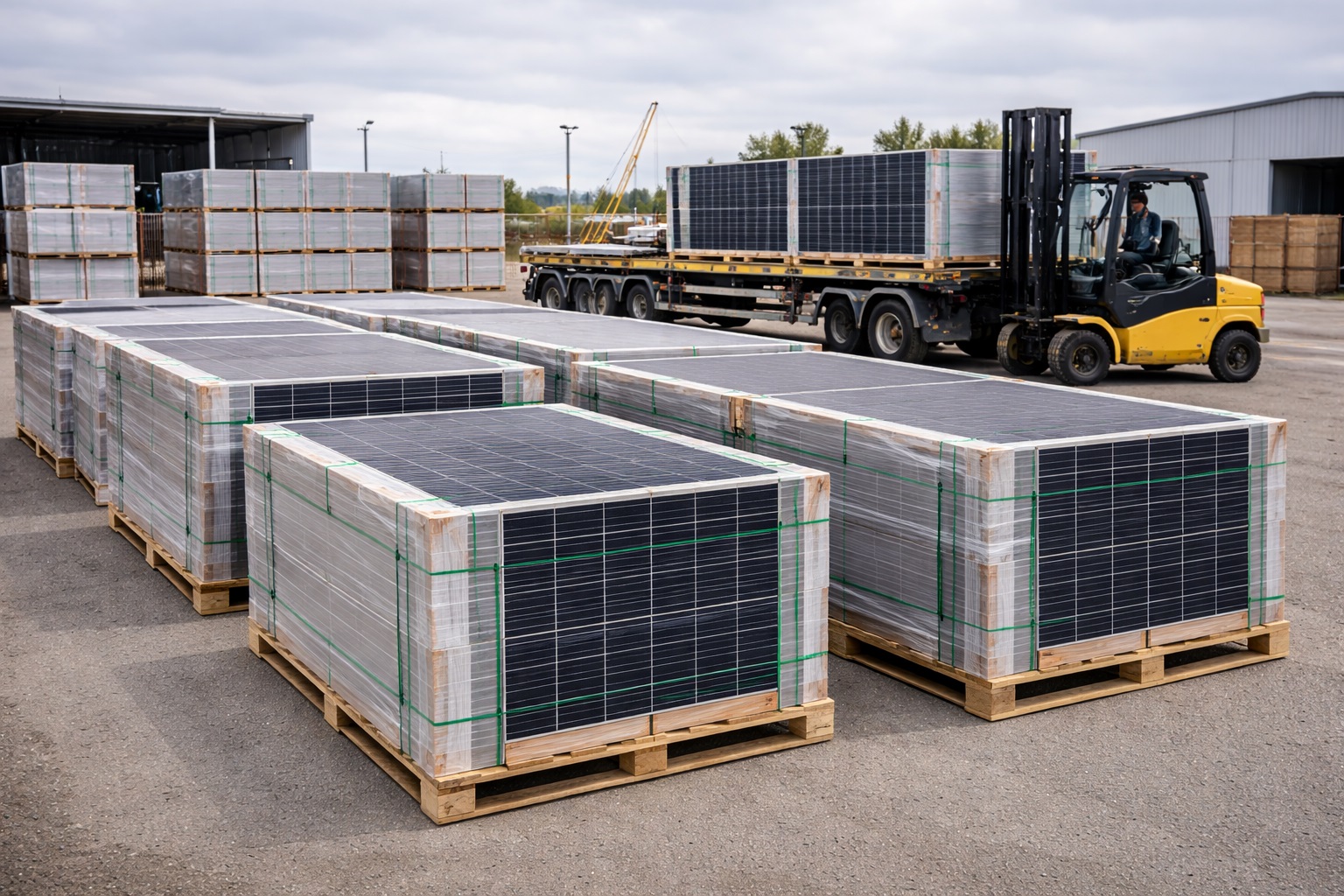
Project Schedule and Delivery Windows
Delivery windows are limited on energy sites. Site safety procedures, equipment readiness, crane planning, and shift organization directly determine delivery timing. For this reason, merely “departing on time” is not enough to arrive on site at the right moment. If delivery does not happen in the right order and within the right time window, waiting, repositioning, and operational losses may occur on site. This increases project costs and schedule pressure.
ARAN Logistic focuses on planning delivery times in line with the rhythm of the project, and on carrying out site deliveries in a controlled and predictable structure.
Control and Operational Visibility
In energy projects, disruptions usually do not arise from a single mistake. A delivery slipping by a few hours, a small uncertainty in loading order, or delayed feedback from the site can quickly affect the entire schedule. The problem is often not the “event” itself, but the way events trigger each other.
That is why the critical point is not watching the process every second, but identifying where congestion begins in time. Operational visibility makes the points where the plan is under pressure visible at an early stage and makes timely intervention possible.
When the flow is clear, logistics stops being an area of uncertainty that slows the project down. It becomes a support mechanism that works quietly in the background, yet keeps the rhythm alive. ARAN Logistic approaches visibility not as a reporting burden, but as a simple control tool that protects project flow.

Let’s Define the Right Transport Plan
for Your Operation
Let’s build the process together according to your project schedule, route, document/permit compliance, and delivery windows. Once the plan is clear, energy logistics moves forward more steadily.